The Long-Term Value of Quality: Why Investing in Durable School Furniture Pays Off
When a school district is furnishing a new space or refurnishing an existing one, cost is often front of mind.
It makes sense, district leaders such as superintendents and purchasing directors have a fiduciary responsibility to the taxpayers, they have been entrusted with the stewardship of their money. However, putting an immediate focus on upfront cost and opting for the most inexpensive desks, chairs, and tables is rarely the most fiscally responsible choice. Investing in high quality, durable furniture from a reliable provider not only provides a significant long-term return financially, but also for student safety, engagement, and learning outcomes.
The total cost of ownership goes far beyond the initial sticker price. In the short term, there are factors like the costs of freight and installation. In the long term, buyers need to consider the furniture’s physical longevity, flexibility of use, and impact on students.
Low quality, cheaper furniture is more susceptible to the daily rigors of a school environment. Students are going to lean in chairs, it’s a natural expression of their energy. Desks are going to get slammed together and dragged across the room as learning spaces are arranged and rearranged for different activities. Manufacturers who make low up-front costs a selling point may blame the degradation of their furniture on these activities, but school furniture should be designed and built to hold up in a school environment!
Longevity and warranty often go hand-in-hand. Quality furniture manufacturers are confident enough in the durability of their products to offer extensive warranties, and partner with distributors like Lone Star Furnishings to work with the end-buyers to handle those warranty claims if they come up. For example, Smith System, one of the top manufacturers in the industry, offers a 12 year warranty to repair or replace any furniture with defects in material or workmanship, and lifetime on metal frames on chairs or tables.
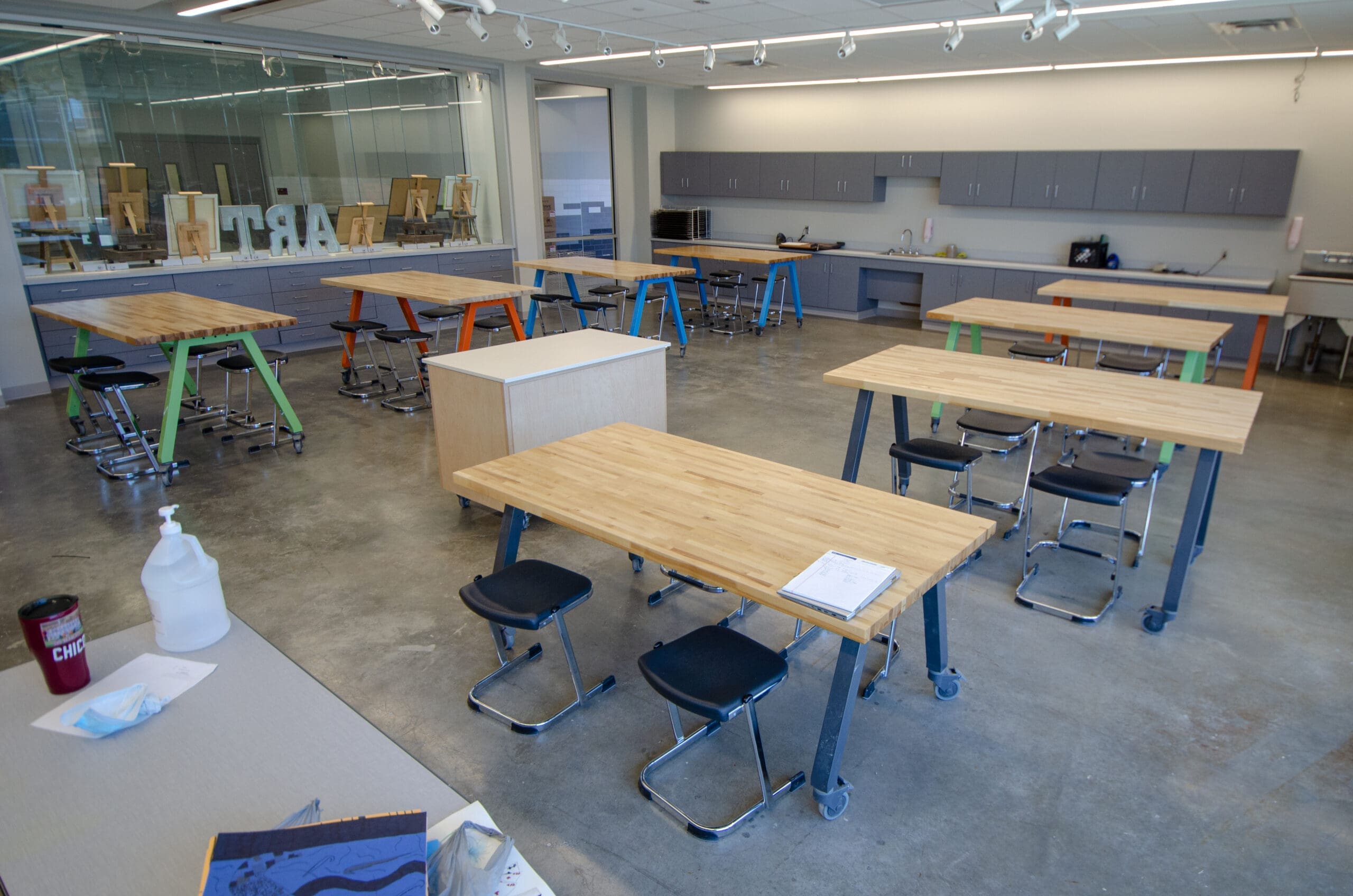
The cheapest furniture on the market is designed for 19th and 20th century lecture spaces. We don’t design classrooms in static grids anymore. Students may spend some of the day facing a teacher at the front of the room, but they’re spending increasingly more time in small groups or working individually. The best quality furniture is that which can be easily moved around the room, through doorways, and set to different heights.
The amount of use you can get out of each piece of furniture partly informs its overall value. Sure, you may never have an exact dollar value on how much you spent per minute of furniture usage, but what’s more valuable to you, a piece that’s only used in one way, once a day, or something that can adapt for different use cases?
That flexibility pays off in more than just giving you more use of your furniture. The impact of quality and durable furniture on the learning environment, in the long term, is what leads to increased growth for school districts. Research shows that modern classroom design leads to increased academic performance, and there are direct ties between student success and local property values, as families move into districts with the best schools.
Besides the direct financial impact, quality durable furniture has an immediate impact on the classroom with:
While the initial outlay for high-quality school furniture may be higher, the long-term benefits are undeniable. By considering the total cost of ownership, schools can make a strategic investment that saves money over time, enhances student safety and engagement, and creates a learning environment built to last. It’s a decision that pays dividends for years to come, supporting the academic success and well-being of every student.
Citation:
Peter Barrett, Fay Davies, Yufan Zhang, Lucinda Barrett,
The impact of classroom design on pupils’ learning: Final results of a holistic, multi-level analysis,
Building and Environment,
Volume 89,
2015,
Pages 118-133,
ISSN 0360-1323,