How Classroom Design Boosts Learning
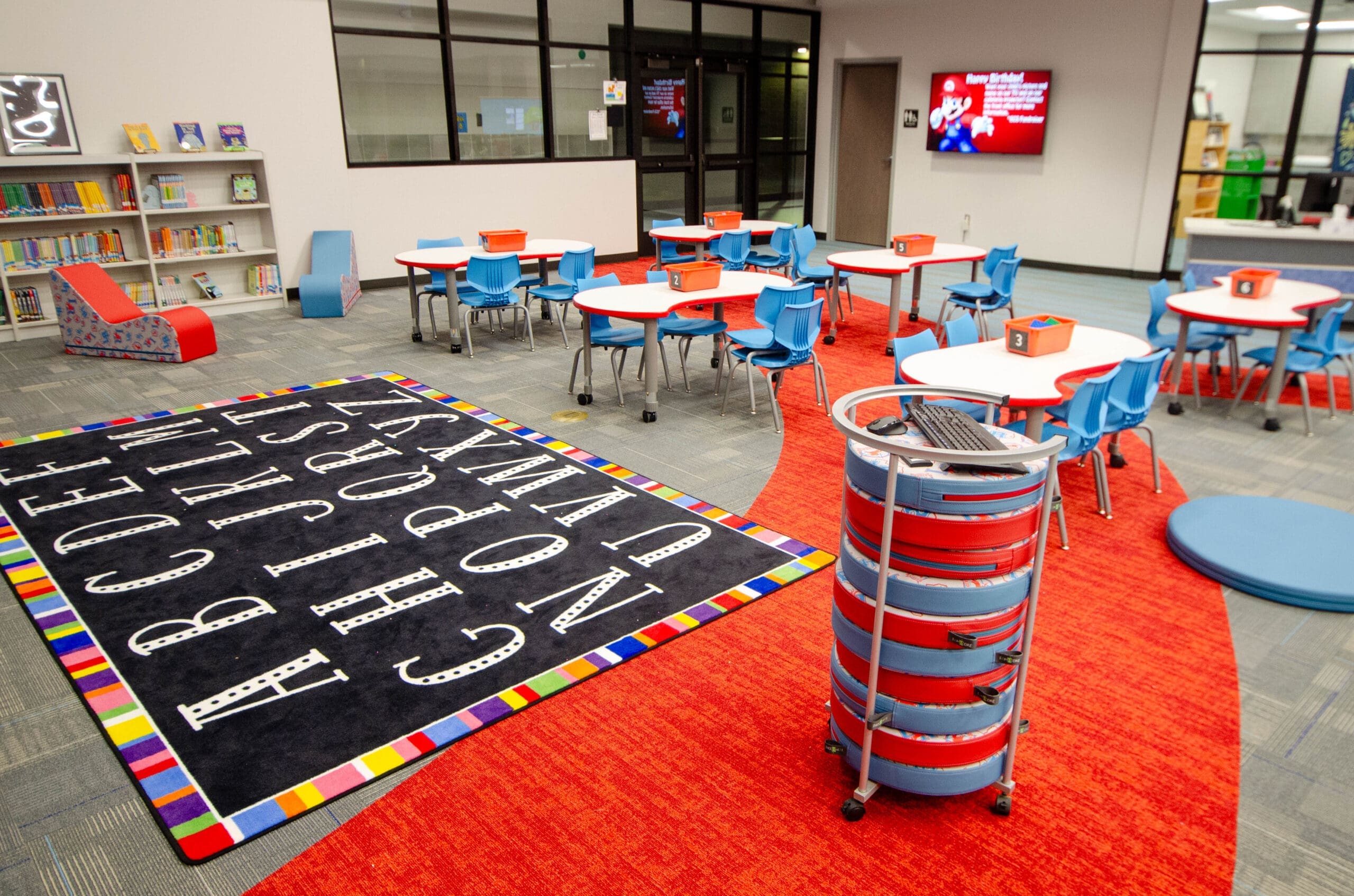
American public education has come a long way from its colonial roots, when the goal was simply basic literacy. In the two hundred and fifty years since, we’ve seen a shift from a focus on curriculum and teaching styles to a focus on the classroom itself. A school is more than just a building, and a classroom is more than just four walls.
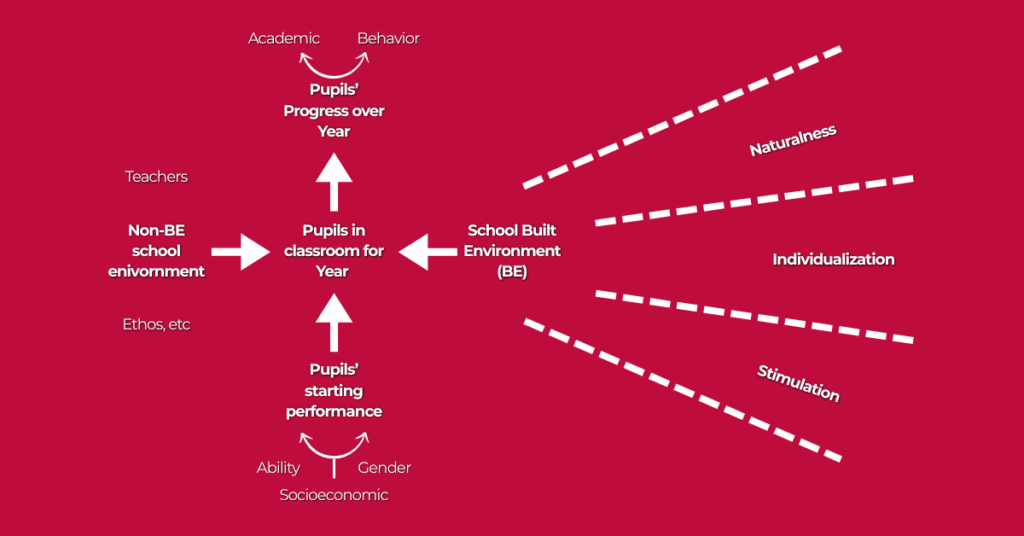
Human wellbeing and performance is heavily impacted by the design of a space, and the spaces where our young students spend most of their time play a crucial role in their development. According to a study, “The impact of classroom design on pupils’ learning,” classroom environmental factors account for “16% of all influences on the variation in pupils’ academic performance.”

The study breaks down these “School Built Environment (BE)” factors into three buckets: Naturalness, Individualization, and Stimulation, which together encompass the “full range of sensory impacts experienced by an individual occupying a given space.” Half of the impact on student learning from BE comes from naturalness, with individualization and stimulation each making up another quarter.
This principle is all about the physical comfort of the space, focusing on factors like light, temperature, and air quality. A classroom with plenty of natural light and good ventilation helps students feel more alert and focused, reducing distractions and supporting their overall health.
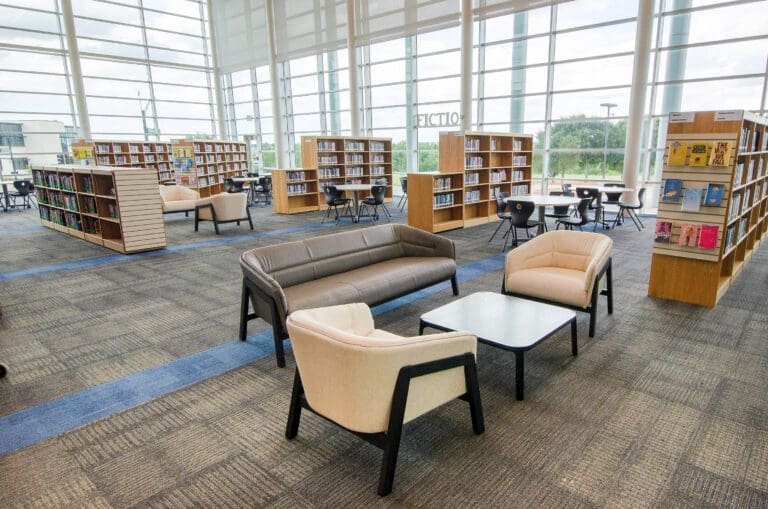
Thoughtful furniture choices can complement these natural elements. By selecting low-profile or mobile furnishings, designers can ensure that natural light isn’t blocked and that air circulates freely throughout the space. The materials and colors of furniture can also be chosen to reflect and enhance the natural light, making the entire room feel more open and bright.
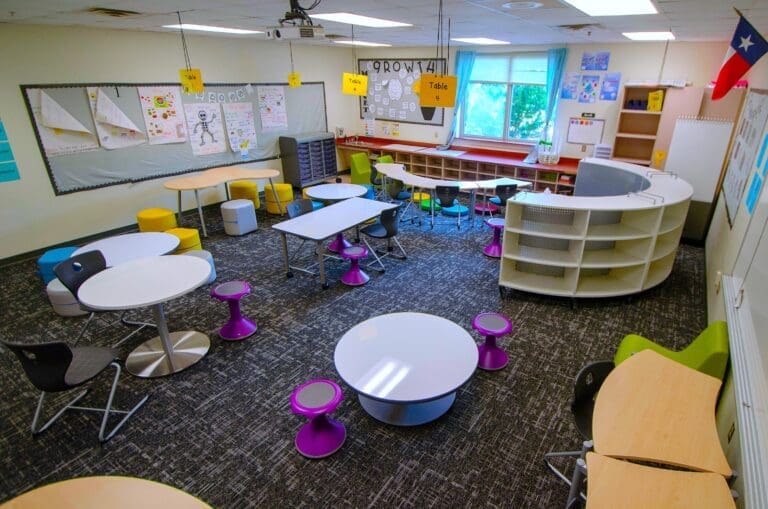
A student’s sense of ownership and flexibility in their learning space is crucial. Students feel a connection to their classroom when they have a say in how it’s used or configured, and they become more engaged and motivated.
This is where furniture starts to play a major role in designing a space to improve learning outcomes. Flexible, modular seating and desks can be easily reconfigured to support different learning activities, whether it’s collaborative group work or independent study. Ergonomic and adjustable furniture allows students to choose how they learn best, empowering them to take control of their physical environment and fostering that sense of ownership.
While a chaotic space can be distracting, a sterile one can be uninspiring. The key is to achieve a balance of appropriate color and complexity. A well-designed room uses shapes and colors to delineate different zones and create visual interest without overwhelming the senses.
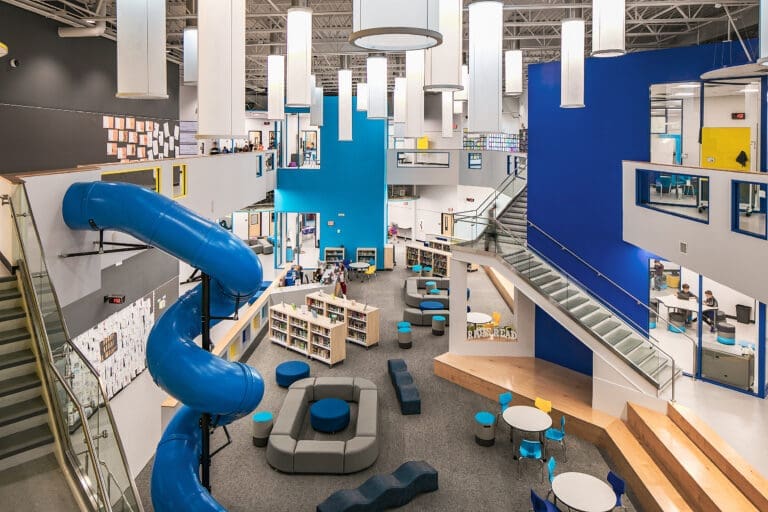
Furniture plays a key role here too, from the color of the seats, to the shape of desks, to the layout and groupings of different selections. Furniture can be chosen to contribute to the overall visual harmony of the room. It can add pops of color to define a creative corner or provide a clean, simple aesthetic for a focused study area. These choices help create a stimulating yet organized environment where students can focus and flourish.
By embracing these evidence-based principles, school districts can make informed decisions about their learning spaces. At Lone Star Furnishings, we are committed to helping schools navigate this process, providing the expertise needed to create environments that truly help learning grow.
Citation:
Peter Barrett, Fay Davies, Yufan Zhang, Lucinda Barrett,
The impact of classroom design on pupils’ learning: Final results of a holistic, multi-level analysis,
Building and Environment,
Volume 89,
2015,
Pages 118-133,
ISSN 0360-1323,