Designing Classrooms Around How Students Learn: The Four Pillars
Produced in Collaboration With:

Today’s classrooms are filled with students who think, move, and engage in different ways. With an ever-growing body of research, we are gaining a deeper understanding of how students learn, and how the classroom environment can either support or limit their ability to thrive.
Design Your Classroom
Connect with an Educational Furniture Consultant
Ready to design a learning environment where every student thrives? Our consultants will help you build the right space.
The idea of a “one-size-fits-all” student no longer exists, and neither should a one-size-fits-all classroom. When we design environments that respond to how students naturally learn, we don’t just improve engagement, we help build essential life skills that students will carry with them into adulthood and the workforce.
That’s where the 4 Pillars of Student Learning Behaviors come in: the Active Mover, the Collaborative Creator, the Self-Regulated Learner, and the Empowered Independent. Each pillar represents a common way students show up in the classroom. Let’s explore these learning behaviors and how intentional classroom design can support every student in working at their highest potential.
The Active Mover
Some students are Active Movers, meaning they need motion to think and focus. You might notice these students constantly shifting in their seat, standing, or moving around the classroom. While this behavior can sometimes be perceived as inattentive or disruptive, research shows it is often a form of self-regulation. Studies on movement and cognition indicate that physical activity, especially small, continuous movements, can improve attention, working memory, and on-task behavior, particularly for students with ADHD or sensory needs (Donnelly et al., 2016; Mahar et al., 2006).
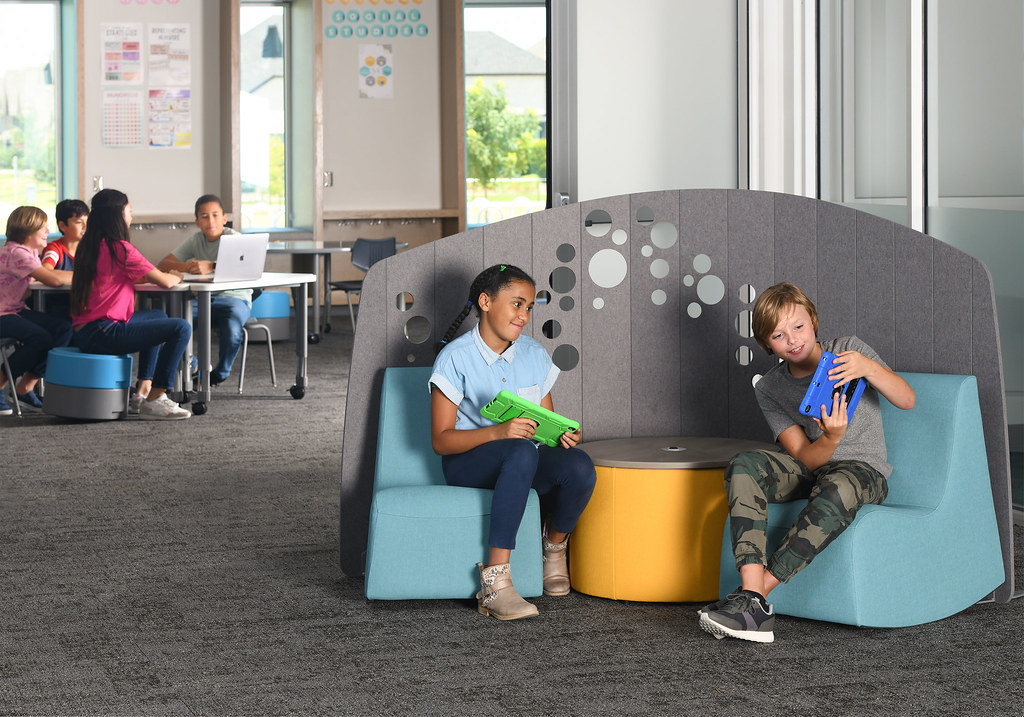
The goal is to create an environment that doesn’t just allow movement, but is intentionally designed to help students find the right kind of movement to support focus. While it may seem counterintuitive, movement can actually help calm the brain. Research in neuroscience highlights that vestibular and proprioceptive input (like rocking or shifting) helps regulate stimulation levels, allowing students to better concentrate and process information (Ratey, 2008; Pellegrini & Smith, 1998).
Classrooms that support Active Movers should provide space and flexibility. Simple strategies, like creating a pathway at the back of the room for pacing, can make a meaningful difference. Providing a range of movement-friendly options, such as transitioning from sitting to standing, wobbling, or rocking, empowers students to choose what works best for them. Studies have shown that flexible seating and movement opportunities can increase student engagement and reduce off-task behavior (Fedewa & Erwin, 2011; CDC, 2010).
Flowform Rockers, Oodle® Stools, and Silhouette sit-to-stand desks help channel energy in productive ways: supporting focus without disrupting others.
The Collaborative Creator
Some students are Collaborative Creators, meaning they learn best through interaction, discussion, and shared problem-solving. These students thrive when they can exchange ideas, challenge thinking, and build knowledge alongside their peers. While collaboration can sometimes be mistaken for distraction or off-task behavior, research shows that structured peer interaction significantly improves learning outcomes, critical thinking, and engagement (Johnson & Johnson, 2009; Gillies, 2016).

The goal is to create an environment that supports purposeful collaboration while maintaining structure in learning. Social learning theory suggests that students construct knowledge more effectively through interaction, observation, and dialogue with others (Vygotsky, 1978). When students are given opportunities to collaborate, they not only deepen their understanding but also develop communication and interpersonal skills.
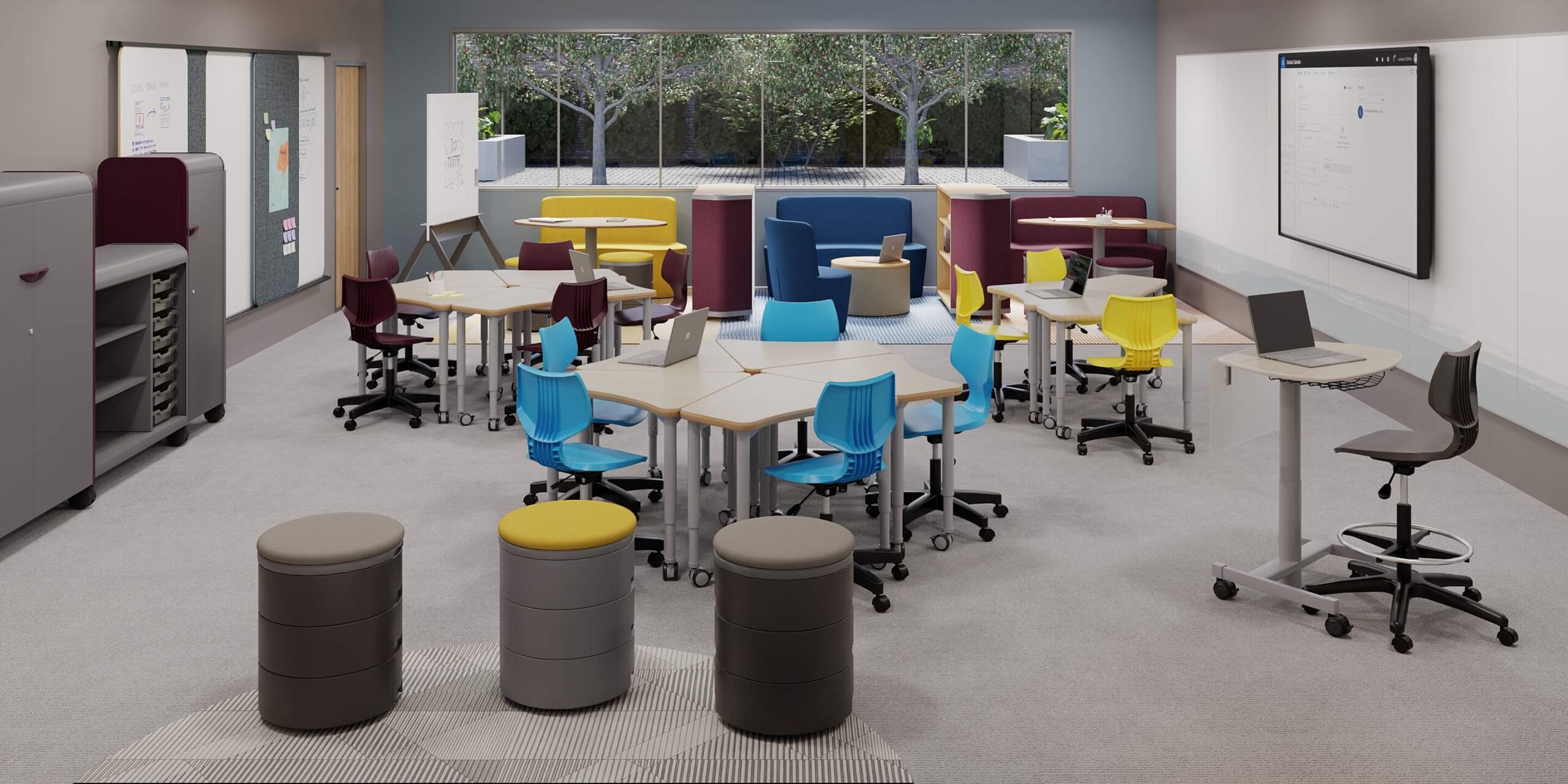
Classrooms that support Collaborative Creators should include flexible group spaces that encourage interaction without creating chaos. Furniture that allows for quick transitions between individual and group work helps teachers manage flow while supporting collaboration. It is found that collaborative learning environments increase student motivation and promote deeper understanding of content (Laal & Ghodsi, 2012).
Constellate Group Tables, individual desks that can be pushed together in different group sizes, and Planner Studio Tables provide surfaces for shared thinking, brainstorming, and real-time idea exchange. This helps students build social confidence, group contribution skills, and the ability to recognize their strengths within a team.
The Self-Regulated Learner
Some students are Self-Regulated Learners, meaning they are highly aware of their emotional and sensory needs. These students may seek quiet spaces, sensory input, or moments of retreat when overwhelmed. What may appear as withdrawal or disengagement is often a student actively trying to regulate their emotions and maintain focus.
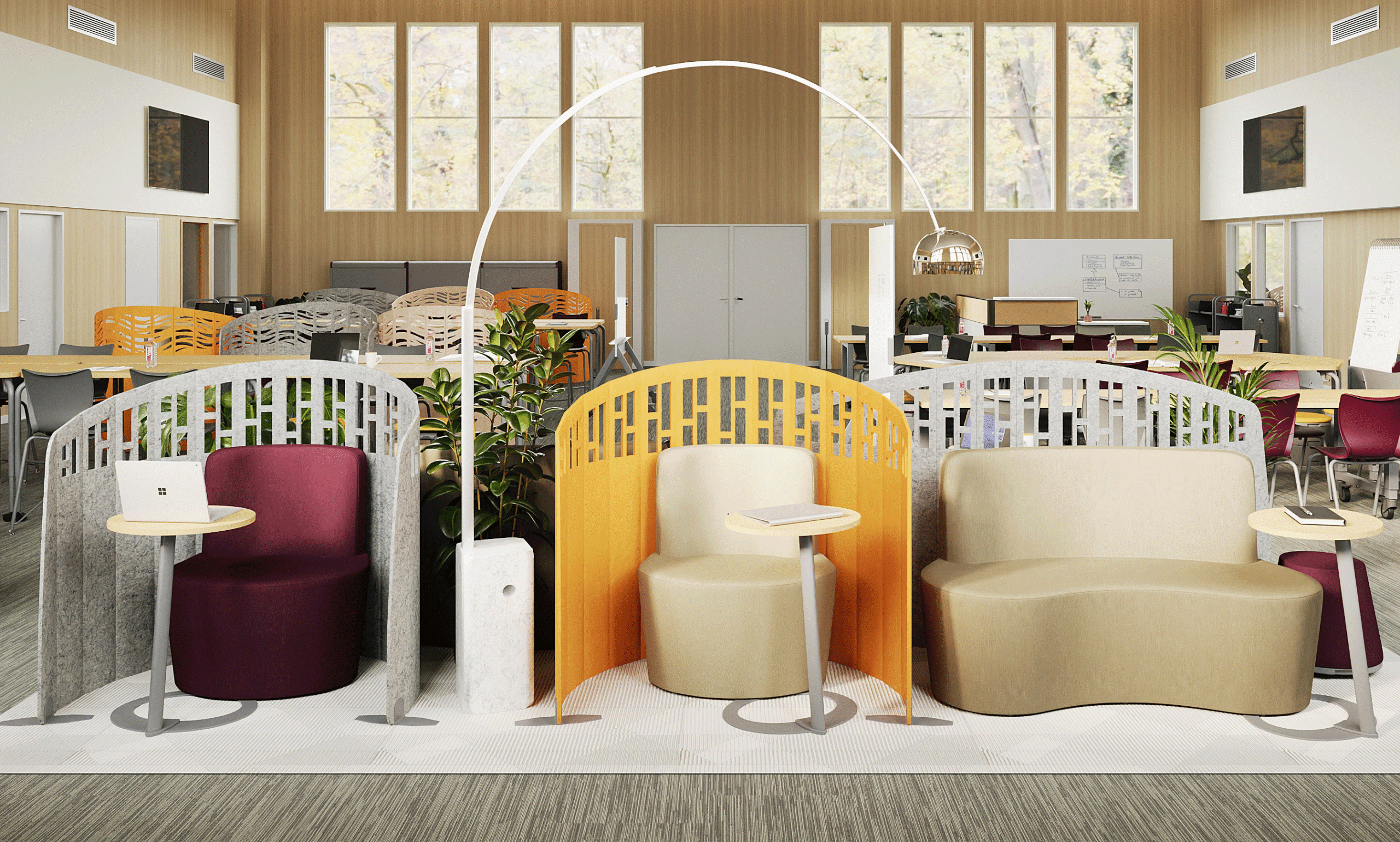
The aim is to design environments that proactively support emotional regulation rather than react to behaviors. Providing access to low-stimulation areas, soft seating, and sensory-supportive furniture allows students to reset and re-engage in learning. The Self-Regulated Learner needs access to calm, controlled environments that can reduce anxiety and improve student focus (Küller & Lindsten, 1992).
Classrooms that support Self-Regulated Learners should include designated areas for reflection and regulation. These spaces should feel intentional, not corrective, so students can use them independently as needed.
Flowform PET Screens, Isle Floor Cushions, Numbers Chairs, and Flowform Learn Lounge create opportunities for both subtle movement and calming experiences. Students develop emotional intelligence, self-awareness, and personal responsibility.
The Empowered Independent
Some students are Empowered Independents, meaning they thrive when given autonomy, ownership, and the ability to direct their own learning. These learners are often engaged in project-based work, self-paced tasks, and creative exploration. They are motivated by having control over how, where, and when they learn.

The objective is to create an environment that provides access to tools, resources, and flexible workspaces that support independence. When students can easily access materials and manage their own workflow, they become more responsible for their learning.
Classrooms that support Empowered Independents should include clearly organized storage, adaptable work surfaces, and spaces that allow for both focus and creativity. A well-organized classroom reduces the cognitive load and increases student independence (Evans & Wachs, 2010).
Constellate Mobile Storage Units, Interchange® Desks, and Groove Chairs and Adjustable Stools allow students to take ownership of their space and learning process. Students build independence, ownership, and the ability to manage their own learning journey.
Designing for All Learners
The reality is, most students don't fit into just one category. They move between these behaviors throughout the day, depending on the task, their energy, and their needs.
That's why the most effective classrooms aren't designed for a single type of learner. They are designed for all of them. By creating environments that support movement, collaboration, regulation, and independence, educators can remove barriers and empower every student to succeed.
When we design for how students naturally learn, we're not just improving classroom outcomes — we're helping students build the life skills they need for the future.
Because at the end of the day, it all supports one goal: To enable the genius inside every student.
References
Centers for Disease Control and Prevention (CDC). (2010). The association between school-based physical activity, including physical education, and academic performance. U.S. Department of Health and Human Services.
Donnelly, J. E., et al. (2016). Physical activity, fitness, cognitive function, and academic achievement in children: A systematic review. Medicine & Science in Sports & Exercise, 48(6), 1197–1222.
Fedewa, A. L., & Erwin, H. E. (2011). Stability balls and students with attention and hyperactivity concerns. The American Journal of Occupational Therapy, 65(4), 393–399.
Mahar, M. T., et al. (2006). Effects of a classroom-based program on physical activity and on-task behavior. Medicine & Science in Sports & Exercise, 38(12), 2086–2094.
Pellegrini, A. D., & Smith, P. K. (1998). Physical activity play. Child Development, 69(3), 577–598.
Ratey, J. J. (2008). Spark: The revolutionary new science of exercise and the brain. Little, Brown and Company.
Barrett, P., et al. (2015). The impact of classroom design on pupils' learning. Building and Environment, 89, 118–133.
Blair, C., & Raver, C. C. (2015). School readiness and self-regulation. Annual Review of Psychology, 66, 711–731.
Deci, E. L., & Ryan, R. M. (2000). The "what" and "why" of goal pursuits. Psychological Inquiry, 11(4), 227–268.
Evans, G. W., & Wachs, T. D. (2010). Chaos and its influence on children's development. American Psychological Association.
Gillies, R. M. (2016). Cooperative learning. Australian Journal of Teacher Education, 41(3), 39–54.
Johnson, D. W., & Johnson, R. T. (2009). Social interdependence theory and cooperative learning. Educational Researcher, 38(5), 365–379.
Küller, R., & Lindsten, C. (1992). Health and behavior of children in classrooms with and without windows. Journal of Environmental Psychology, 12(4), 305–317.
Laal, M., & Ghodsi, S. M. (2012). Benefits of collaborative learning. Procedia – Social and Behavioral Sciences, 31, 486–490.
Vygotsky, L. S. (1978). Mind in society. Harvard University Press.
Zimmerman, B. J. (2002). Becoming a self-regulated learner. Theory Into Practice, 41(2), 64–70.